
The Christian life begins with remembering our past separation from Christ, emphasizing God’s mercy. Believers, once darkness, are now called to walk as children of light, reflecting goodness, righteousness, and truth. They turn away from self-righteousness, seek to please the Lord, and live daily in the true light of Christ.
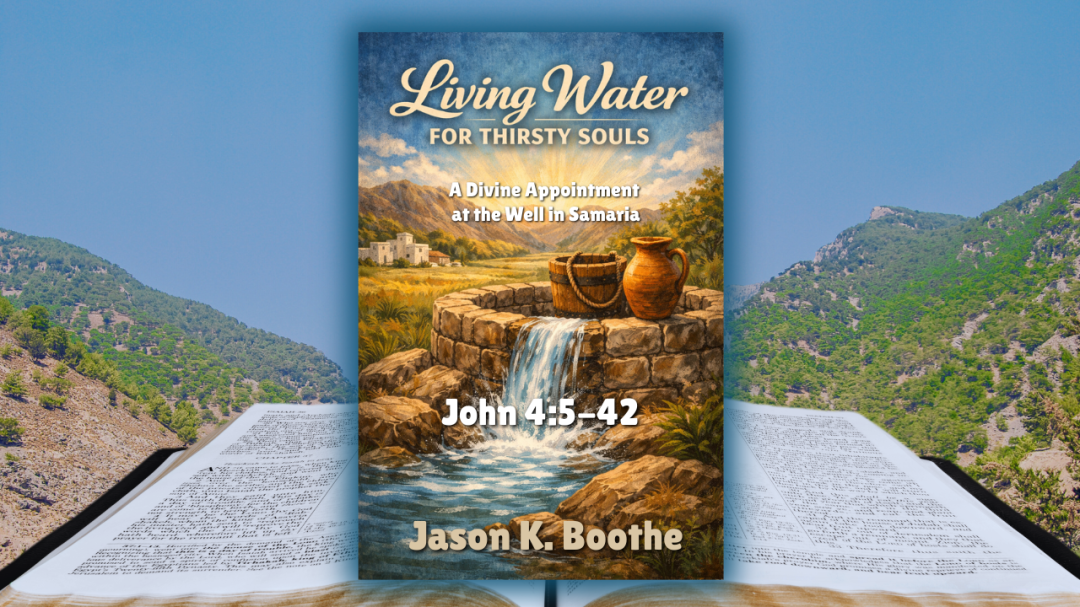
Living Water for Thirsty Souls
A Reflection on John 4:5–42 - There are moments in Scripture where the glory of Christ shines with particular warmth. John 4 is one of those passages. At a well in Samaria, under the heat of the midday sun, the Son of God meets a thirsty soul. What unfolds is a revelation of sovereign grace, … Continue reading Living Water for Thirsty Souls

On the Need for Sovereign Graciousness
Sovereign grace is not merely a doctrine to defend. It is a reality meant to transform the hearts of those who believe it. While contending for the true Gospel is necessary, Scripture calls Christians to do so with gentleness, humility, and respect. Too often, theological debates become battlegrounds where truth is spoken without love. Yet the same grace that saves sinners is meant to soften them. When we remember that we ourselves were rescued entirely by God’s mercy, our tone toward others changes. We still stand firmly for the truth, but we do so as grateful recipients of grace, reflecting the gentleness of Christ (1 Peter 3:15).
The Gospel According to Abraham
In Genesis 12:1-4, God calls Abram to leave his familiar life, promising to make him a great nation and bless all families through him. This pivotal moment highlights faith's foundation on God’s promises. Abram's journey symbolizes believers' call to trust in God's faithfulness, ultimately realized in Jesus Christ, offering redemption and grace.

SERMON VIDEO – The Shape of Genuine Worship
https://youtu.be/l6MO5PHn92w?si=weC7z1oLrzODcUNr If you have ever wondered what kind of worship truly pleases God, this message from Isaiah 58 will deeply encourage your heart. In this sermon, Jason Boothe opens God’s Word to show that the Lord is not merely interested in outward religious activity, but in hearts transformed by His redeeming grace. Most beautifully, we … Continue reading SERMON VIDEO – The Shape of Genuine Worship

Living in the Light of Redeeming Grace
Isaiah 58 reveals God’s desire for genuine devotion, emphasizing that true righteousness comes from the redemptive work of Christ. This leads to transformation, mercy, and restoration in our lives.
SERMON VIDEO: The Glory of Christ Revealed By the Spirit
In this sermon based on 1 Corinthians 2:1–12, the apostle Paul emphasizes that God reveals His saving wisdom through Christ's crucifixion and the Holy Spirit's work in our hearts. The message highlights the importance of divine revelation over human intellect, encouraging believers to deepen their understanding of the gospel and rely on God's grace.

Grace Beyond Toxic Religion
Toxic religion distorts spiritual authority into control, causing spiritual abuse and manipulating Scripture for personal gain. This results in shattered lives and a longing for true restoration. Deconstruction may provide temporary relief but often leads to doubt and insecurity. Genuine healing and peace are found solely in the Gospel of Jesus Christ.

When Heaven Opened on the Mountain
The Transfiguration of Jesus, detailed in Matthew 17:1-9, reveals His divine identity and authority. With Moses and Elijah symbolizing the Law and Prophets, God the Father emphasizes Christ as the ultimate revelation. This moment foreshadows both His glory and the path through the cross, underscoring that salvation rests solely in Him.

The Glory of Christ Revealed by the Spirit
In this reflection on 1 Corinthians 2:1-12, Paul emphasizes that true knowledge of God comes not from human wisdom or eloquence but through divine revelation, centered on Christ and His crucifixion. The Holy Spirit enables believers to understand God's eternal wisdom and grace, which surpasses human comprehension and cultural values.
 Redeemer Church