A Gospel Reflection on Romans 4:13-25 Every believer needs certainty. We live in a world filled with uncertainty. Circumstances change. Plans unravel. Health declines. Economies fluctuate. Even our own hearts can be unsettled by fears and doubts. In such a world, the Christian finds comfort in a glorious truth: God's promises are certain because they … Continue reading The Promise Secured By Faith
The Promise Poured Out
The Glory of Pentecost in Acts 2:1-21 Acts chapter 2 brings us to one of the great turning points in the history of redemption. The risen Christ has ascended into heaven. The apostles gather together in Jerusalem according to His command. The promise of the Father rests upon their hearts. Then, in a demonstration of … Continue reading The Promise Poured Out
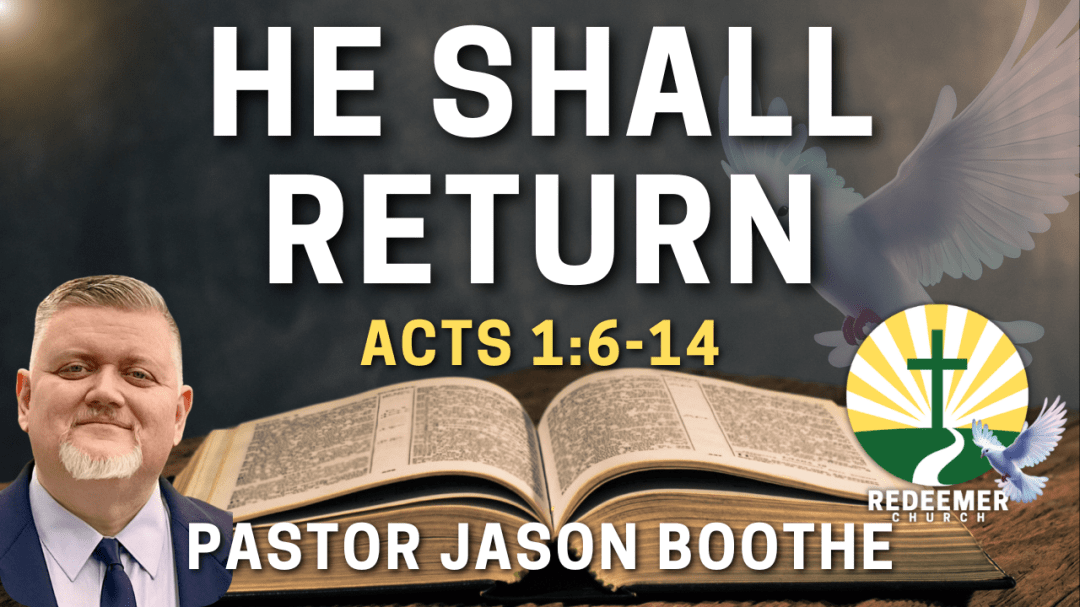
Sermon Video – He Shall Return
https://youtu.be/i7xfWniC0kQ?si=10bndsSlQZOhmdAv Act 1:6-14 (ESV)6 So when they had come together, they asked him, “Lord, will you at this time restore the kingdom to Israel?”7 He said to them, “It is not for you to know times or seasons that the Father has fixed by his own authority.8 But you will receive power when the Holy … Continue reading Sermon Video – He Shall Return
He Shall Return
Acts 1:6-14 recounts the ascension of Jesus Christ, highlighting its significance in redemptive history. Christ instructs His disciples on the coming power of the Holy Spirit and their mission to witness globally. The passage emphasizes the historical truth of Christ's resurrection and return, offering believers hope and a call to faithful worship and witness.
Sermon Video – Built By Grace Chosen For Glory
https://youtu.be/1fzR4T7sYfg?si=WYvPSJLSXZh21IJE In this message from 1 Peter 2:2-10, we are reminded that the Christian life is sustained entirely by the sovereign grace and mercy of God. Believers are called to hunger for the Word, rest upon Christ the Living Stone, and rejoice in the identity God has graciously given to His people.
A Holy People Formed By Sovereign Grace
Reflections on 1 Peter 2:2–10 There is a kind of societal Christianity that is content with familiarity. It knows the language. It recognizes the patterns. It moves through the rhythms of church life with a steady cadence. Yet the passage before us in 1 Peter 2:2–10 calls us beyond institutional familiarity and into something richer, … Continue reading A Holy People Formed By Sovereign Grace
The Marks of a Spirit-Empowered Church
In Acts 2:42-47, the early church in Jerusalem exemplifies a Spirit-filled community dedicated to apostolic teaching, authentic fellowship, the Lord's Supper, and prayer. Empowered by the Holy Spirit post-Pentecost, they fostered unity and radical generosity, sharing possessions and meeting needs out of love, not guilt. Daily worship and communion led to joyful living and growth, attributed to God's sovereign work rather than human strategies. The reflection urges modern believers to prioritize these essentials, inviting God's Spirit to deepen their devotion and inspire communal faithfulness.
A Living Hope That Endures
The Christian life often involves heavy trials and prolonged sorrows, leading believers to seek assurance in God’s mercy. The Apostle Peter, writing to believers under pressure, emphasizes that our hope is rooted not in human effort but in God’s divine power and grace. Salvation is a gift from God, and through Christ's resurrection, believers gain a living hope. Peter assures that God keeps our inheritance secure and protects believers through faith. While acknowledging the reality of suffering, he encourages joy rooted in faith and God's unchanging character. Ultimately, believers are reminded that their salvation is assured and will be completed by God.
This Easter, We Preach the Risen Christ
As Easter approaches, churches prepare to welcome those who may not regularly attend. This crucial day centers on the message of Christ's death and resurrection. Pastor Jason K. Boothe emphasizes the importance of preaching God's Word, offering truth, grace, and hope to all gathered. The Gospel seeks to transform lives through faith.
Sermon Video – “Christ is More than Enough”
Drawing from Hebrews 10:4–10, this sermon contrasts the repeated, insufficient sacrifices of the Old Testament with the once-for-all, perfect sacrifice of Christ. Where the blood of bulls and goats could never take away sin, Jesus fulfilled the will of God through His obedient life and sacrificial death.
 Redeemer Church