
“For God so loved the world, that He gave His only Son, that whoever believes in Him should not perish but have eternal life. For God did not send His Son into the world to condemn the world, but in order that the world might be saved through Him.”
— John 3:16–17
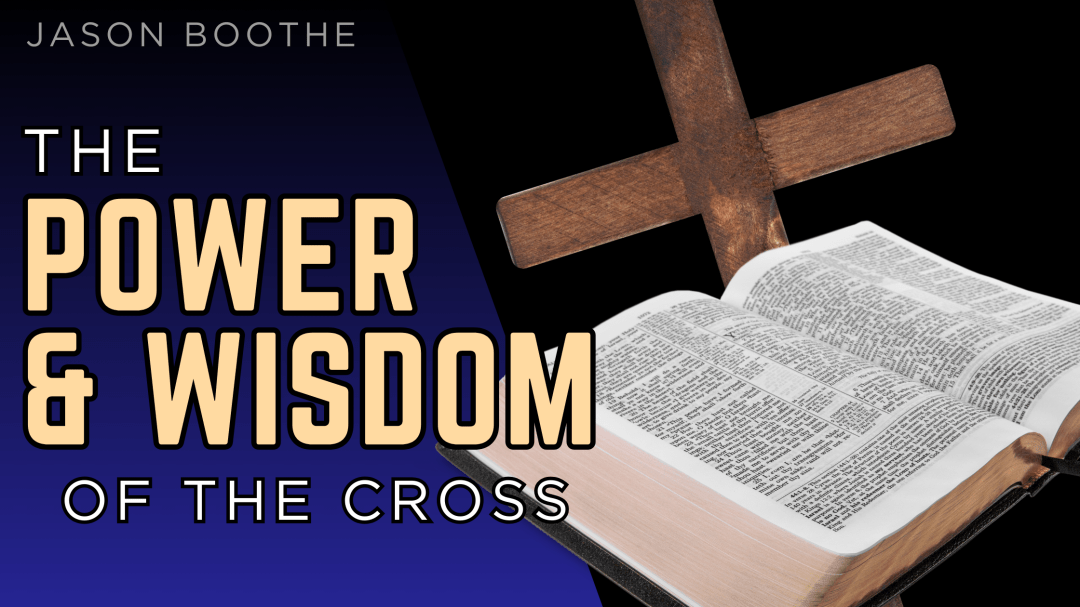
“For the word of the cross is folly to those who are perishing, but to us who are being saved it is the power of God. For it is written, ‘I will destroy the wisdom of the wise, and the discernment of the discerning I will thwart.’ Where is the one who is wise? Where is the scribe? Where is the debater of this age? Has not God made foolish the wisdom of the world? For since, in the wisdom of God, the world did not know God through wisdom, it pleased God through the folly of what we preach to save those who believe. For Jews demand signs and Greeks seek wisdom, but we preach Christ crucified, a stumbling block to Jews and folly to Gentiles, but to those who are called, both Jews and Greeks, Christ the power of God and the wisdom of God.”
— 1 Corinthians 1:18–24
God’s Love in Christ
John 3:16–17 provides one of the most comprehensive summaries of the gospel in all of Scripture. It begins with God’s action: “For God so loved the world, that He gave His only Son.” The initiative belongs wholly to God. His love is not reactive, stirred by something praiseworthy in humanity. God’s love is sovereign and free, arising from His own gracious purpose.
The verb “gave” directs us to the cross. The Father sent His Son to lay down His life in substitution for sinners. Christ was given up to death so that “the believing ones” would not perish under divine judgment but receive eternal life. The mission of the Son was to secure salvation for the elect of God. Yet this salvation was accomplished by bearing the condemnation we rightly deserved (Romans 8:3).
The Offense of the Cross
Paul’s words in 1 Corinthians 1 underscore the radical nature of this message. “The word of the cross is folly to those who are perishing.” Human wisdom rejects the crucified Messiah. To the Jews, it was a stumbling block: the idea that God’s chosen One would die in shame upon a Roman cross was scandalous. To the Greeks, it was foolishness: salvation through weakness contradicted their ideals of strength and philosophical brilliance.
But God’s ways overturn human expectations. What the world dismisses as foolish is in fact His perfect plan. By the “folly” of preaching Christ crucified, God is pleased to save those who believe, those who have been given faith in Christ. The cross is both a dividing line and a revelation: it exposes the bankruptcy of human wisdom and manifests the saving wisdom of God.
The Wisdom and Power of God
Why is the cross described as both the wisdom and the power of God?
- The Power of God: At the cross, sin was decisively judged and death was defeated through Christ’s resurrection. God’s power is displayed in the redemption of His people. The gospel is “the power of God for salvation to everyone who believes” (Romans 1:16).
- The Wisdom of God: At Calvary, divine justice and mercy converge. God remains just—sin is punished in full—yet He is the justifier of the one who has faith in Jesus (Romans 3:26). No human philosophy could have devised such a plan. Only in Christ crucified do we see how God’s holiness and grace meet without compromise.
Thus, the cross is not an embarrassment to be explained away, but the very center of God’s redemptive work. It is simultaneously the greatest offense to human pride and the greatest display of divine glory.
Theological Implications for Us
- Salvation is entirely of God. John 3:16 makes it clear: God loved, God gave, and God saves. Faith itself is His gift, granted by grace (Ephesians 2:8–9).
- Human wisdom cannot reach God. Philosophy, morality, and religion apart from Christ cannot reconcile us to Him. “The world did not know God through wisdom” (1 Corinthians 1:21).
- The gospel must remain central. The church preaches nothing but “Christ and Him crucified.” All true preaching, teaching, and worship must orbit around this reality alone.
- The cross is both our boast and our hope. We do not glory in human strength or achievement but in the crucified and risen Christ (Galatians 6:14).
Conclusion
The message of John 3:16–17 and 1 Corinthians 1:18–24 is one and the same: the love of God and the wisdom of God are revealed supremely in the cross of Christ. The world may see weakness and folly, but to those whom God has called, the crucified Son is salvation, righteousness, and life.
Let us therefore hold fast to this gospel, unashamed of Christ crucified. For in Him we behold the very power and wisdom of God.

Jason Boothe is a Pastor at Redeemer Church of Piketon, Ohio.
Discover more from Redeemer Church
Subscribe to get the latest posts sent to your email.

 Redeemer Church